A book in progress · working title
Tribal
Capitalism
How the Native nations of Indian Territory regulated, taxed, and out-negotiated the most powerful corporations in nineteenth-century America — and what was lost when Washington took that power away.
Status — manuscript in progress, 2026 · Robert Voss, Ph.D.
The argument
Sovereignty, exercised in contracts
“The railroads had to negotiate. That fact is the story.”
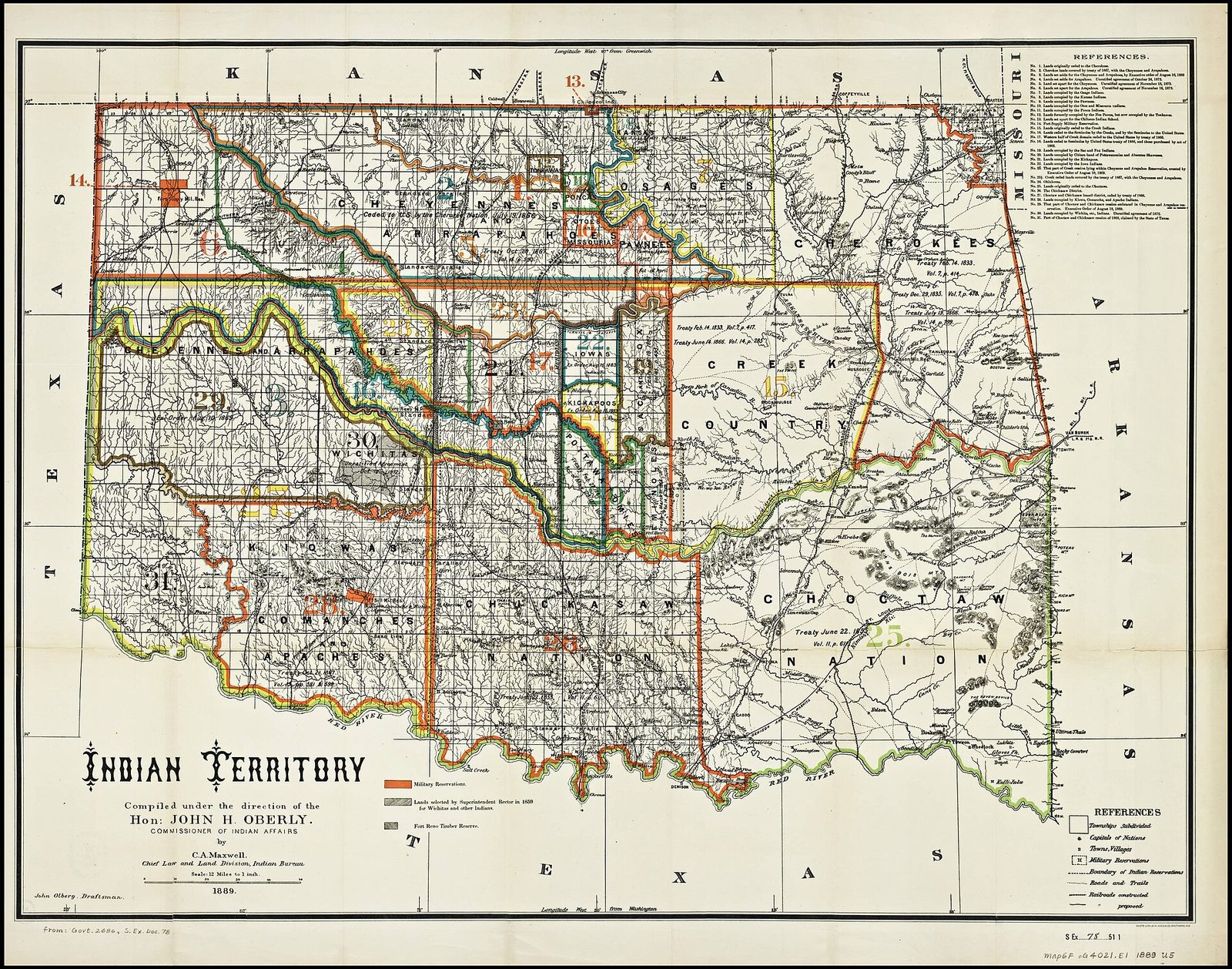
Between the Reconstruction treaties of 1866 and Oklahoma statehood in 1907, the railroad and coal corporations that entered Indian Territory encountered something the standard histories of the West rarely dwell on: governments. The Choctaw, Chickasaw, Cherokee, and Muscogee (Creek) nations had constitutions, legislatures, courts, and revenue laws — and they put them to work on the most aggressive corporations of the age.
Tribal Capitalism recovers that half-century of negotiation. Native nations chartered rail lines and coal ventures on their own terms. They collected royalties on coal dug from national lands, sold ties and stone to construction crews, taxed the traders and licensed the non-citizen laborers the railroads brought in, and took their grievances to Washington with skilled lawyers and delegations when corporations overreached. Private contracts — the corporation's favorite instrument of incursion — became, in Native hands, instruments of regulation and resistance.
This was not a lost golden age, and the book does not romanticize it. The railroads brought speculators, squatters, and relentless pressure on the land; the arrangement was unequal and always under threat. But it worked well enough, for long enough, that dismantling it required an act of Congress. Allotment and the dissolution of the tribal governments were not the inevitable end of an inevitable process — they were the removal of competitors who had proven inconveniently good at capitalism.
That reframing matters beyond the nineteenth century. Arguments about tribal sovereignty, resource rights, and economic development still turn on the question this book answers historically: what happens when Native nations meet powerful outside capital as governments, with the leverage of law?
From the archive
The paper trail
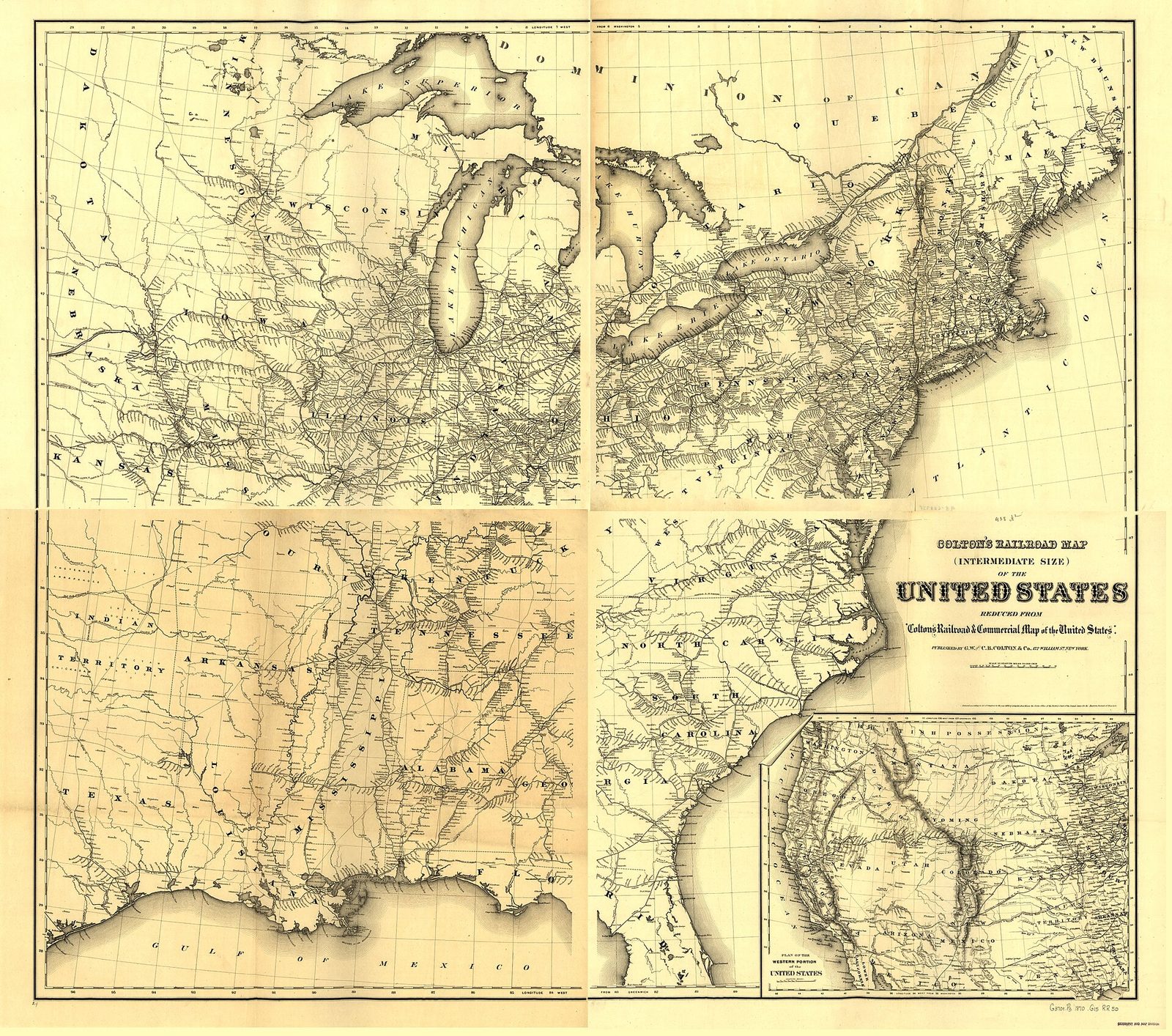
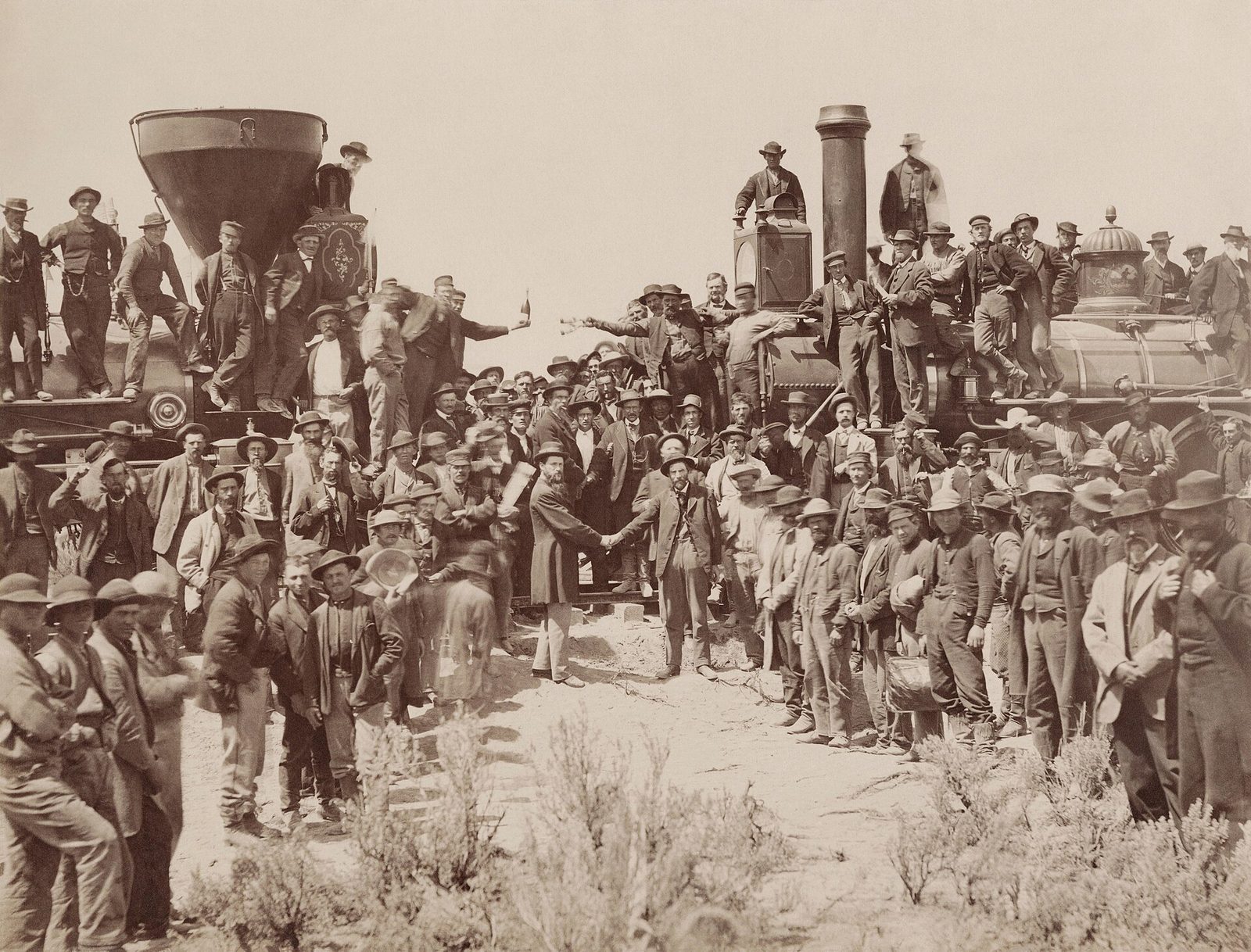
The book is built from tribal council records, railroad corporate papers, coal lease files, and federal correspondence — the contracts, permits, and royalty ledgers where sovereignty was exercised line by line.
Threads of the book
Five negotiations
Treaties with terms
The 1866 Reconstruction treaties opened the Territory to railroads — but on conditions Native negotiators helped write, and would spend four decades enforcing.
Chartering the road
How the nations handled rights-of-way, town sites, and the corporations' hunger for land grants that never materialized — because tribal title stood in the way.
Coal beneath the treaty line
Royalties, leases, and the Choctaw coal fields: how mineral wealth financed tribal governments and drew the most sustained corporate assault.
Licensing the stranger
Permit systems for non-citizen laborers, taxes on traders, and the everyday administration of a border the railroads kept trying to erase.
The unmaking
Allotment, the Dawes and Curtis Acts, and statehood: how competitors who could not be beaten in negotiation were removed by legislation.
Project record
Twenty years on this track
Follow the book
Occasional dispatches from the archive
A short letter, a few times a year: what I'm finding, where the manuscript stands, and where I'm speaking next. No noise — this list exists so that readers, editors, and program chairs can find the book before it finds a cover.
Editors, agents, and event organizers are welcome to write directly: rob@robvoss.com.
Noted in the ledger. You'll hear from me when there's something worth reporting. — R.V.